
Why do some pots and pans become favorites while others gather dust in your cabinet? Quality and design often make the difference, so use this stainless steel utensils buying guide to improve your cooking.
This practical resource guides you through the vast kitchen equipment market for Indian households. Whether you cook daily meals or host large family gatherings, metalware affects heat distribution and long-term durability.
Your cooktop, household size, and maintenance habits shape your final choice. This buying guide helps you spot the best grades and shapes for your lifestyle. Together, they can make your kitchen more efficient and joyful.
Key Takeaways
- Assess your specific cooking needs and household size before selecting new items.
- Understand the importance of metal grades for heat retention and durability.
- Match your cookware to your stove type for optimal performance.
- Prioritize ergonomic designs that make daily cleaning and storage easier.
- Learn how to spot quality construction to ensure your investment lasts for years.
Define Your Everyday Cooking, Serving, and Dining Needs
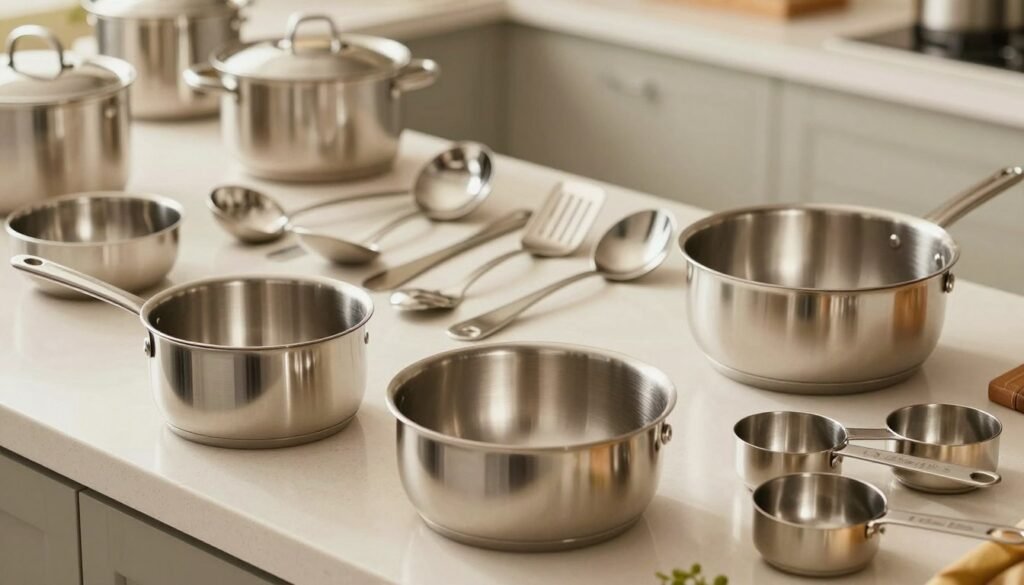
To master how to choose stainless steel utensils, first study the meals you cook each day. Kitchen habits show which tools offer the most value at home. Focusing on your routine helps prevent needless purchases that crowd your cabinets.
Step 1: List the Tasks Your Utensils Must Handle
Match Tools to Indian Cooking Methods
Indian cooking uses varied methods, such as tempering spices, simmering thick dals, and making rich curries. You need heavy-bottomed vessels that spread heat evenly and help prevent burning. For flatbreads such as rotis or parathas, a sturdy tawa gives steady results.
Separate Cooking, Serving, and Dining Requirements
It helps to separate cookware from tableware. Cooking vessels must handle high heat and frequent scrubbing. Serving and dining pieces should look good and feel easy to handle at the table.
Step 2: Identify the Utensils You Use Most Often
Prioritize Kadhais, Sauce Pans, Tawas, Ladles, and Serving Spoons
When learning how to choose stainless steel utensils, start by checking the items you use most. A high-quality kadhai is an Indian kitchen workhorse, while sauce pans are vital for boiling milk or tea. Choose ergonomic ladles and serving spoons to make plating food easy.
Plan for Family Size and Batch Cooking
Your family size strongly affects the capacity you need. If you often batch cook for guests or meal prep, invest in larger pots for more food. The right size keeps cooking efficient and stress-free.
Understand Stainless Steel Grades and Construction
Achieving superior stainless steel utensils durability starts with knowing your grades. Metal composition affects how pots and pans handle acidic foods, high heat, and daily scrubbing. These details help your kitchen investment last for years.
Step 3: Compare Common Stainless Steel Grades
Evaluate 304 and 18/8 Stainless Steel for Everyday Use
Most high-quality kitchenware uses 304-grade stainless steel, often labeled 18/8 or 18/10. Chromium and nickel provide strong resistance to rust and stains. This grade is the industry standard for reliable, food-safe cooking tools.
Understand What 316 Stainless Steel Offers
For maximum stainless steel utensils durability, choose premium 316-grade steel. It includes molybdenum, which protects against salt and harsh acidic ingredients. Though more costly, it suits heavy-duty cooking environments.
Recognize Lower-Grade Steel and Unclear Grade Claims
Be cautious when products do not clearly state their grade. Vague terms like “surgical steel” may hide a series and signal metal prone to pitting. Choose brands with clear documents to protect your health and wallet.
Step 4: Inspect Thickness, Weight, and Finish
Choose Practical Thickness for Heat Distribution
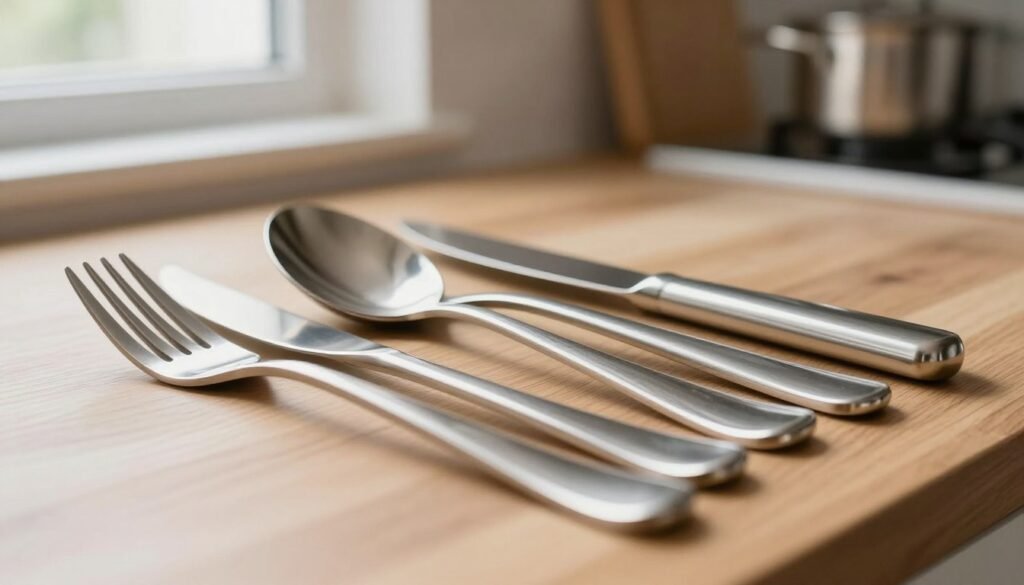
Thickness supports even heat distribution and helps prevent warping. A heavier gauge keeps utensils in shape under high flames. Choose a substantial base, because thin metal can cause uneven cooking and hot spots.
Check for Smooth Interiors, Even Edges, and Secure Handles
Physical inspection shows the true quality of your tools. Run your fingers along rims to check for smooth edges and sharp burrs. Securely riveted or welded handles are essential for safety, so check that they feel firm and wobble-free.
Distinguish Polished, Brushed, and Mirror Finishes
Finish affects both appearance and care. Mirror finishes look elegant but show scratches easily; brushed finishes hide wear over time. Choose a surface that fits your cleaning habits and desired kitchen look.
| Grade | Composition | Best Use | Durability Level |
|---|---|---|---|
| 304 (18/8) | 18% Cr, 8% Ni | General Cooking | High |
| 316 | 18% Cr, 10% Ni, 2% Mo | Heavy/Acidic Cooking | Very High |
| 200 Series | Lower Nickel | Light Serving | Low |
Choose Shapes and Features That Make Cooking Easier
When you choose the best stainless steel utensils, think about how their shape supports daily cooking. Good design turns kitchen chores into smooth, simple tasks. Focus on comfort and function so each piece has a clear role.
Step 5: Select the Right Capacity and Shape
Choose Small Pans for Tempering and Quick Reheating
Small pans are useful for tadka, or tempering spices in hot oil. Their compact size spreads heat quickly, so spices bloom without burning. They also reheat small portions of leftovers fast.
Choose Medium and Large Vessels for Rice, Dal, and Curries
Use taller, larger vessels for staples like rice, dal, and hearty curries. Their extra space helps prevent boil-overs and lets you stir ingredients well. The right capacity makes family-sized meals easier to prepare.
Use Wide Bases for Stability and Faster Cooking
A wide base marks the best stainless steel utensils because it increases contact with the heat source. This design supports even heat distribution and keeps the vessel steady on your stove. Wider pans cook food faster and more evenly.
Step 6: Evaluate Handles, Rims, Lids, and Pouring Edges
Look for Heat-Resistant, Riveted, or Welded Handles
Safety matters when you handle hot cookware. Choose handles that are riveted or welded for lasting strength. Heat-resistant materials and ergonomic shapes help you move pots comfortably and avoid burns.
Prefer Secure-Fitting Lids With Practical Knobs
A well-fitted lid traps steam and heat for efficient cooking. Choose lids with sturdy, heat-resistant knobs that are easy to grip with oven mitts. A tight seal helps retain your food’s natural flavors and nutrients.
Check Rims and Spouts for Controlled Pouring
Dripping sauces can make a mess on your stove and counters. Choose vessels with flared or drip-free rims for clean, controlled pouring. These details make the best stainless steel utensils enjoyable to use each day.
Build a Practical Set for an Indian Kitchen
A practical Indian kitchen starts with a strong stainless steel foundation. By choosing versatile pieces, you can get affordable stainless steel utensils that serve many purposes without filling your cabinets. This plan helps you buy quality pieces that handle daily use.
Step 7: Assemble a Core Cooking Collection
Select Sauce Pans, Stock Pots, Kadhais, and Tawas
Your core collection should focus on the main tools of Indian cooking. A heavy-bottomed kadhai is essential for curries and stir-frying, while a sturdy tawa is vital for rotis and parathas. A medium-sized sauce pan and stock pot help you boil milk, make tea, or prepare large batches of dal.
Add Pressure Cooker-Compatible Accessories Carefully
Check that pressure cooker accessories suit high-pressure use. Avoid generic inserts because they may fit poorly or fail under intense heat. Choose affordable stainless steel utensils rated for safety and durability to help prevent cooking accidents.
Step 8: Add Everyday Serving and Dining Utensils
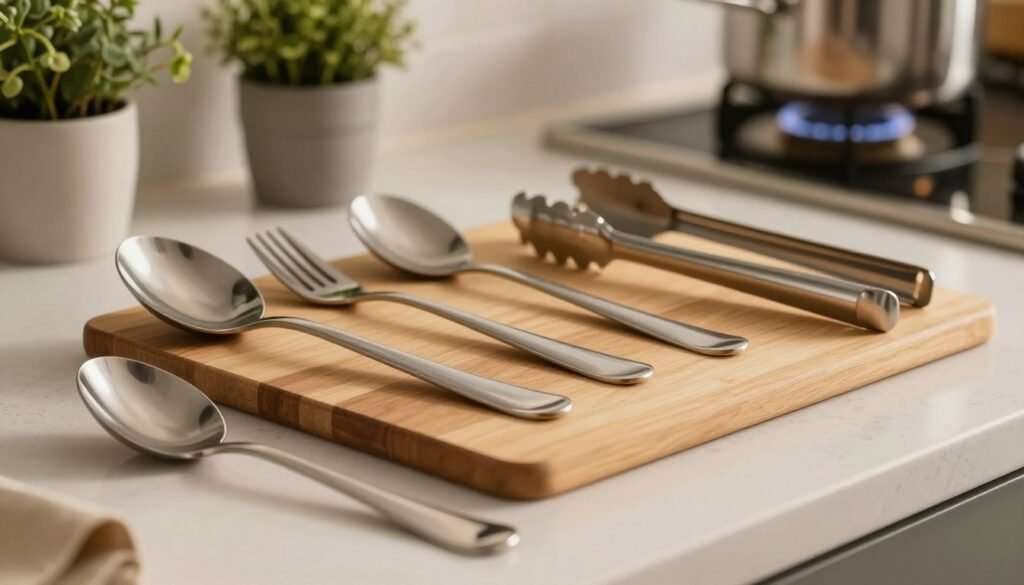
Choose Ladles, Spatulas, Tongs, and Serving Spoons
Efficient cooking requires the right tool for each task. Invest in stainless steel ladles for gravies and spatulas for flipping food. Tongs safely handle hot items, making them a smart addition to your affordable stainless steel utensils collection.
Select Plates, Bowls, Glasses, and Cutlery for Daily Meals
For your dining table, choose stainless steel plates and bowls that clean easily and resist rust. They offer a hygienic, long-lasting choice for daily family meals. Add matching spoons and forks for a neat, unified look.
Include Specialty Tools Only When You Will Use Them
Buying every kitchen gadget can waste valuable space. Only purchase items like vegetable slicers or specialized graters if you cook those dishes often. A focused collection helps keep your kitchen organized and affordable.
| Category | Essential Items | Specialty Items |
|---|---|---|
| Cooking | Kadhai, Tawa, Sauce Pan | Idli Steamer, Appam Patra |
| Serving | Ladles, Spatulas, Tongs | Decorative Serving Trays |
| Dining | Plates, Bowls, Cutlery | Specialty Dessert Spoons |
Compare the Best Stainless Steel Utensils and Brands
Choosing among stainless steel utensils brands takes a careful look at quality. Famous names may suggest trust, but construction standards matter more than marketing claims.
Step 9: Review Established Indian Stainless Steel Utensils Brands
Compare Vinod, Hawkins, Prestige, and Bergner
These trusted names have served Indian kitchens well for decades. Vinod is known for thick-bottomed cookware that spreads heat well. Hawkins and Prestige make strong pressure cookers and pans for daily high-heat cooking.
Bergner offers a modern, premium look with ergonomic designs that blend style with utility.
Assess Milton, Cello, and Wonderchef for Everyday Options
These brands offer many useful items for daily meal preparation. Milton and Cello are common household names with fair prices and wide availability. Wonderchef creates modern designs for home cooks who value appearance and function.
Check Whether the Brand Provides Warranty and Service Support
Check after-sales support before you complete your purchase. A strong warranty shows that the maker trusts the durability of its stainless steel utensils brands. See whether the company has service centers in your city for quick repairs or replacements if a handle breaks or a base warps.
Step 10: Read Stainless Steel Utensils Reviews Critically
Look for Repeated Comments About Warping, Staining, and Handles
When reading online feedback, look for patterns instead of single complaints. If several users say a pan warps under high heat or handles loosen, take note. Staining is also common; some discoloration is normal, but lasting problems may show lower-grade steel.
Separate Verified Long-Term Use From Short-Term Impressions
Many reviews appear after unboxing, so they do not show performance after months of scrubbing and heating. Give more weight to users who owned the item for at least six months. Their comments show how well the finish lasts over time.
Compare Similar Products Instead of Relying on Star Ratings Alone
Star ratings can mislead because they may reflect shipping or packaging instead of product quality. Compare technical details for similar items from different stainless steel utensils brands. Check the steel gauge, base type, and handle attachment method before choosing.
| Brand | Primary Strength | Best For | Service Reach |
|---|---|---|---|
| Vinod | Heavy-gauge base | Professional cooking | High |
| Prestige | Durability | Daily Indian meals | Very High |
| Wonderchef | Modern design | Stylish kitchens | Medium |
| Milton | Value for money | Budget-conscious | High |
Evaluate Compatibility With Your Cooktop and Cooking Habits
Match your utensils to your cooktop for steady, stress-free cooking each day. When reading stainless steel utensils reviews, seek details that fit your kitchen. Material and base design affect heating speed and cooking balance.
Confirm Induction and Gas Stove Compatibility
Check for a Flat, Magnetic Base
If you use an induction cooktop, your cookware needs a ferromagnetic base to create heat. Before buying, check that a magnet sticks firmly to the vessel’s bottom. A flat base gives maximum contact with the induction surface, preventing uneven heating and possible error codes.
Choose Stable Bases for Gas Burners and Electric Cooktops
For gas and electric stoves, stability should come first. Choose a base that sits securely on burner grates without wobbling or tipping. Balanced weight distribution prevents spills and helps the flame or heating element contact the metal evenly.
Match Construction to Your Heat and Food Preferences
Use Heavy Bases for Slow Cooking and Heat Retention
Heavy-gauge stainless steel suits dishes that need long, slow simmering. Thick bases hold heat and prevent hot spots that can burn gravies or curries. Many stainless steel utensils reviews note that heavy pans give better control during complex cooking.
“Quality cookware is an investment in your culinary journey; choose tools that respect the integrity of your ingredients.”
Choose Lighter Utensils for Frequent Lifting and Serving
If you often toss vegetables or serve large groups, lighter utensils are easier to handle. They reduce wrist strain during repeated motions and allow quick temperature changes. Choose lighter designs for tasks like boiling water or sautéing quick meals.
Consider Reactivity, Browning, and Food-Sticking Characteristics
Stainless steel is usually non-reactive, so it will not change acidic foods’ flavors, including tomatoes or lemon juice. Food may stick if you do not preheat the pan correctly. When reading stainless steel utensils reviews, check browning comments because a quality base helps create a perfect sear on meats and vegetables.
| Feature | Heavy Construction | Light Construction |
|---|---|---|
| Best Use | Slow simmering | Quick sautéing |
| Heat Control | Excellent retention | Fast response |
| Handling | Requires effort | Easy to lift |
Balance Stainless Steel Utensils Durability With Your Budget
Investing in high-quality kitchenware requires looking beyond the initial price tag to understand true long-term value. A comprehensive stainless steel utensils buying guide shows that cheap items often cost more because you replace them often.
Step 13: Calculate Value Beyond the Purchase Price
Compare Thickness, Construction, Capacity, and Included Lids
To determine if a product offers good value, examine the physical build of the item. Thicker gauge steel generally resists warping and provides better heat distribution, which saves energy during cooking.
Check whether the lids fit snugly and the handles are securely riveted. A higher upfront cost for a well-built pot with a heavy base usually beats a thin, flimsy alternative.
Consider Replacement Costs and Expected Service Life
Think about how often you might need to replace a budget item. A low-cost pan may lose its shape or rust within a year. Replacing it may cost more than buying one durable, high-quality piece.
A reliable stainless steel utensils buying guide suggests viewing your purchase as a long-term asset. High-quality stainless steel can last for decades, making the cost per use extremely low over the product’s life.
Step 14: Find Affordable Stainless Steel Utensils Without Cutting Quality
Prioritize Essential Pieces Before Buying Full Sets
Many shoppers mistakenly buy large, inexpensive sets with items they never use. Instead, focus your budget on essential pieces like a high-quality kadhai, a stockpot, and a few versatile pans.
Buying individual, high-quality items ensures every rupee supports your daily cooking. This approach prevents clutter and gives you the best tools for your needs.
Check Set Composition Instead of Counting the Number of Items
Do not be swayed by the number of pieces in a set. A 20-item set may look like a bargain, but it often includes unneeded, small, low-quality bowls or spoons.
Always evaluate the actual utility of each piece in the package. A smaller set of five high-performance items is more valuable than a large set of mediocre ones.
Identify Warning Signs of Excessively Cheap Products
Be cautious of products that feel unusually light or have sharp, unfinished edges. These often signal poor manufacturing and low-grade steel that may not be food-safe or durable.
If a deal seems too good to be true, it usually is. Stick to reputable brands with clear steel grade and construction information. This is the safest way to follow a stainless steel utensils buying guide while staying within your budget.
Buy Stainless Steel Utensils Online With Confidence
When you are buying stainless steel utensils online, the screen is your only window into quality. Because you cannot touch the metal, use specifications and photos to make a smart choice.
Step 15: Verify Product Information Before Ordering
Check Dimensions, Capacity, Weight, Grade, and Base Type
Always look for the specific gauge and steel grade, such as 304 or 202. Check capacity in liters or milliliters to fit your family’s needs. Check the base type, because a heavy-bottomed or induction-compatible base helps spread heat evenly.
Review Product Photos for Welds, Rims, and Surface Defects
Zoom in on high-resolution images to inspect the construction. Look for smooth, polished rims and clean, seamless welds that show quality manufacturing. Avoid products that show pitting or uneven finishes in photos.
Confirm Return Policies, Delivery Charges, and Warranty Terms
Before finalizing your purchase, read the fine print about returns. Ensure the seller offers a clear policy if the item arrives damaged. Verify the warranty terms to protect your investment against manufacturing defects.
Step 16: Compare Online Listings and Retail Prices
Use Manufacturer Pages and Reputable Marketplaces
Start your search on official brand websites or trusted e-commerce platforms. These sources provide the most accurate data when you are buying stainless steel utensils online. They often feature verified customer feedback about real-world performance.
Watch for Duplicate Listings and Misleading Discounts
Be wary of prices that seem too good to be true; they may signal counterfeit or low-grade steel. Compare the same model across multiple reputable sites to find a fair market price. Consistency in pricing usually signals a genuine product.
Confirm That the Delivered Product Matches the Description
Once your order arrives, inspect it against the online listing. Check the weight and dimensions to ensure they match the advertised specifications. If the product differs from the description, contact the seller to start a return or exchange.
Test, Clean, and Maintain Your Utensils From the First Use
Your journey with high-quality cookware starts when you open the box. Ongoing stainless steel utensils maintenance keeps your tools safe and working well, not just clean. These steps help your kitchen tools serve you for years.
Step 17: Inspect and Prepare New Utensils
Check for Sharp Edges, Loose Handles, and Manufacturing Damage
Inspect each new item before using it. Carefully run your fingers along the rims to find sharp edges or burrs. Check that each handle is tight and the vessel has no dents or cracks.
Wash Away Manufacturing Residue Before Cooking
New cookware may have tiny traces of polishing oils or factory dust. Always wash new items in warm, soapy water before first use. This simple step keeps unwanted flavors from entering your food.
Follow Instructions for Stick-Reduction or Protective Coatings
Some specialized stainless steel items may need seasoning or other protective steps. Read the manufacturer’s guide to see if your pan needs preheating or light oil. Following these directions is vital for the best cooking results.
Step 18: Apply Stainless Steel Utensils Care Tips
Prevent Water Spots and Food Stains With Prompt Drying
One of the best stainless steel utensils care tips is drying items right after washing. Air-drying often creates mineral spots or streaks. Use a soft, clean cloth to buff the surface until it shines.
Remove Burn Marks With Gentle Cleaning Methods
If you scorch your pan, do not panic. Soak it in warm, soapy water or use a baking soda and water paste to remove marks. Gentle scrubbing with a non-abrasive sponge can restore the finish without harming the metal.
Avoid Chlorine Bleach, Harsh Abrasives, and Sudden Temperature Changes
Never use chlorine bleach or steel wool because they can pit or scratch the surface. Also, do not put a hot pan into cold water. Thermal shock can warp the metal and ruin the flat base needed for even cooking.
Step 19: Extend Stainless Steel Utensils Maintenance and Service Life
Store Utensils Without Trapping Moisture
Proper storage matters as much as cleaning. Keep cabinets dry and well ventilated to stop moisture buildup. When stacking pots, place a soft cloth or paper towel between them to protect their interiors.
Use Suitable Tools to Limit Scratches and Surface Damage
Choose silicone, wooden, or nylon utensils to keep your cookware looking new. Metal spoons and spatulas can cause deep scratches over time. Protecting the surface preserves the stainless steel and makes future cleaning easier.
Replace Utensils With Unsafe Handles, Cracks, or Severe Warping
Even the best gear has a lifespan. Replace items with handles you cannot tighten, deep cracks, or warping that keeps pans flat on the stove. Prioritizing safety keeps your kitchen productive and secure.
Conclusion
Build a reliable kitchen collection by considering your cooking habits. This stainless steel utensils buying guide helps you look beyond price tags and item counts. It helps you choose pieces that meet your household’s needs.
Choose tools that fit your cooktop, family size, and maintenance routine. Check the steel grade, base weight, and handle comfort. Brands like Vinod, Prestige, and Hawkins offer different benefits for your daily needs.
A practical kitchen needs durable items you use every day. Use this stainless steel utensils buying guide to balance lasting value with daily performance. Quality tools make meal preparation easier and more enjoyable for years.
Take time to check product details before finalizing any purchase. Smart shopping helps your investment last in a busy Indian kitchen. Start building your perfect collection today with confidence and clarity.